Entrepreneuring
Ted Levitt said “The purpose of a business is to create and keep a customer.” I’d add: by giving them agency.
For three decades, I’ve been building and leading products that test a simple hypothesis: When users feel they have control, access, and the ability to co-create, they become more engaged, loyal, and valuable. I call that ARC:
- Access (the degree to which users have paths to generating or modifying data);
- Responsiveness (perception and tangibility of user-defined data to outcomes);
- Co-Creation (the ability of systems to collaborate—to expand and/or collaborate human intelligence with companies or machines).
From building the first media portal at Time Warner, marketing blockchain-based social platforms, to founding a peer-to-peer real estate portal—I’ve repeatedly bet on models where users aren’t just consumers, but active participants.
Entrepreneurship
Three ventures where I tested the ARC hypothesis:
Booksfirst & Bookhits
Testing user-driven book discovery before social media existed
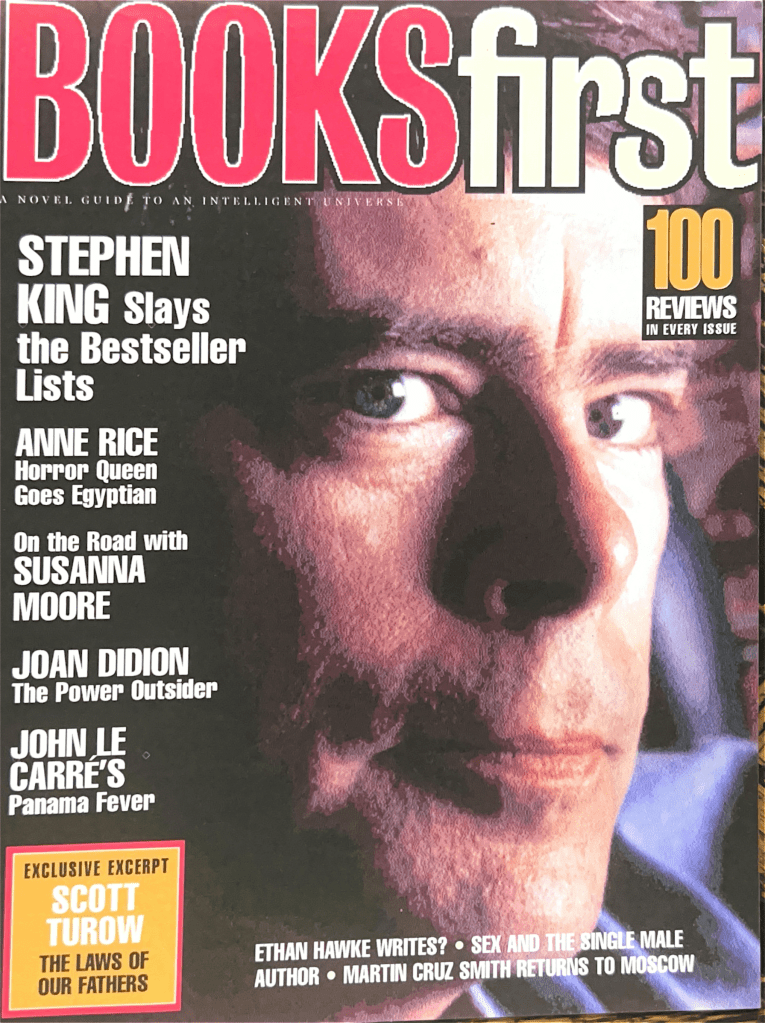

Disney hired me to find agencies to bring six magazines (Family Fun, Family PC, Discover, etc.) online, create a website for Hyperion, its trade book publisher, and launch build a new title. Booksfirst would have been a national books magazine with community and ecommerce sales fulfillment via Doubleday Books. But when Time’s Sports Illustrated merged with CNN, Disney decided instead to throw all hands on deck with ESPN. A year later, I tried to turn Booksfirst into Bookhits, an online book community with a print magazine. Booksfirst and Bookhits designed by Mariana Ochs at Roger Black Studio.
The Green
Testing blogger co-creation before the creator economy
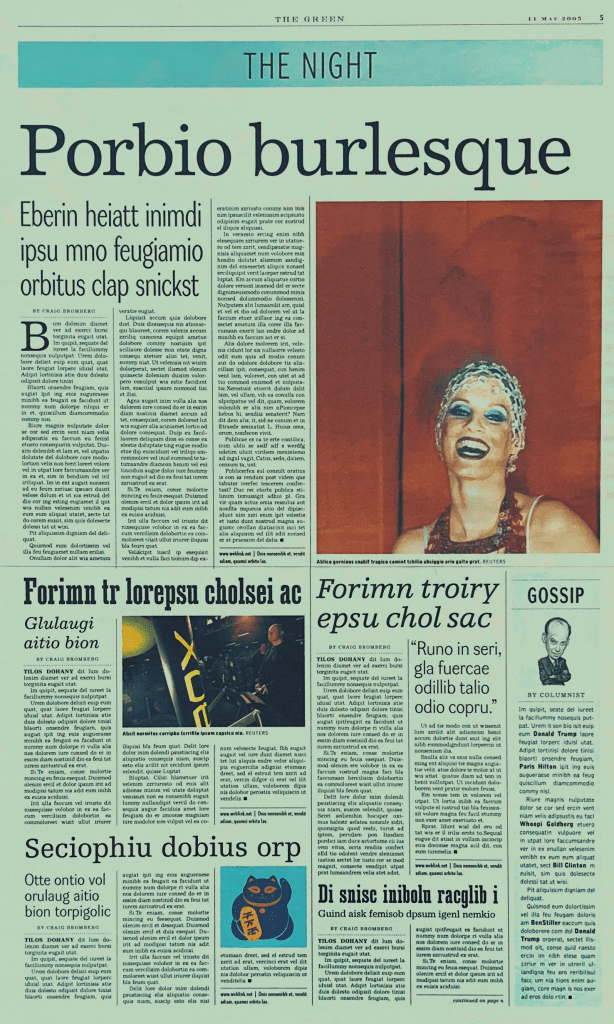
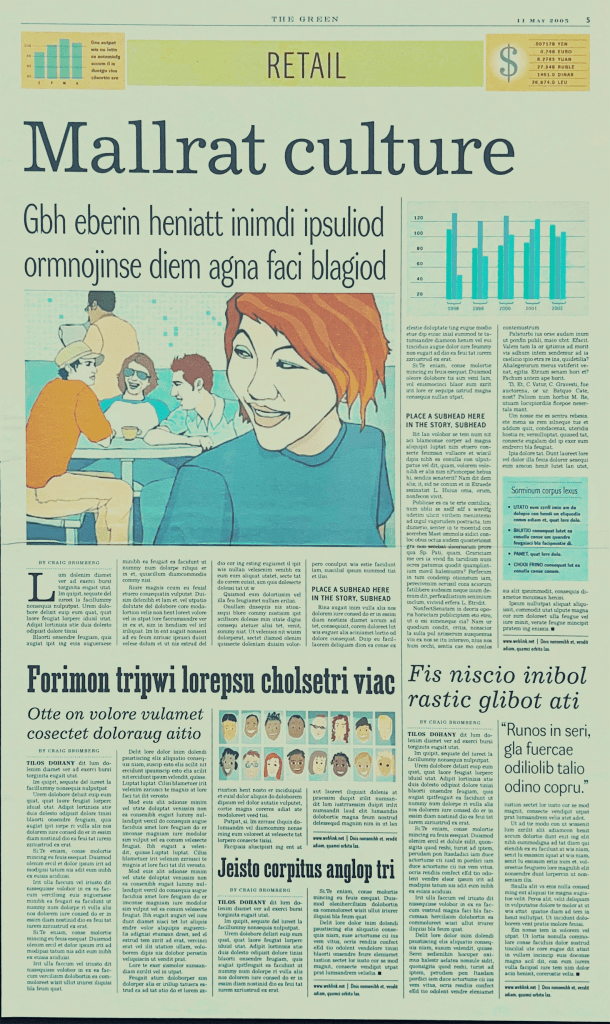

Free daily newspapers were once ubiquitous, but very expensive to produce. The Green showed that the economics of a free weekly could work if the product was written and curated from business blogs by a cadre of young journalists for an upscale Millennial audience. The VC take: just get rid of the damned newspaper; they weren’t wrong. Design by Matteo Bologna and Victor Mingovits at Mucca Design.
Homesy
Testing peer-to-peer real estate before agentic AI made it viable


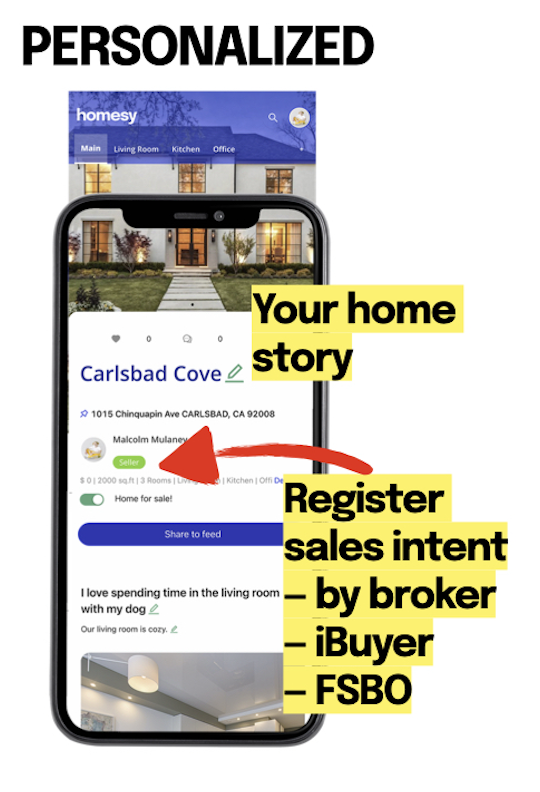
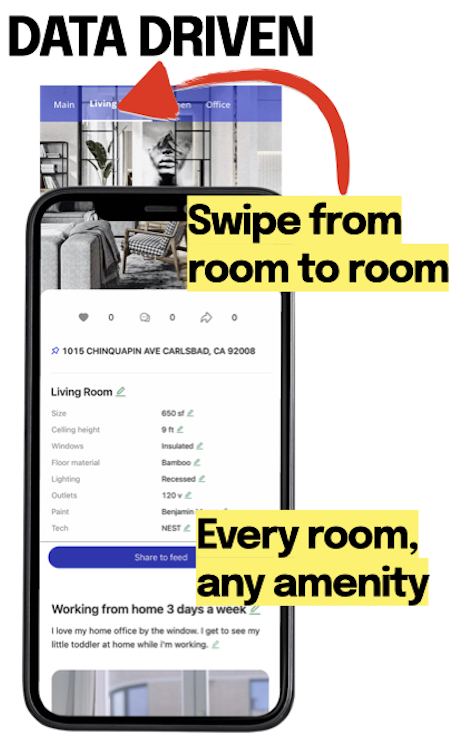
Real estate is organized around relationships and inventory. Consumers can’t own or control the data about their own homes, although they are arguably the best source of that data. Homesy was an effort to fix the extreme information assymetry between the industry and consumers. Design by Ofir Oron.
See Homesy page for more details.
Intrapreneurship

At Time Warner Pathfinder, the first media portal, I led the effort to translate 35 Time Warner offline legacy media brands into a single entity, anticipating the future of digital journalism, subscription models, reader agency, and agentic technologies.

At Disney, I brought six magazines into the web era, built hyperionbooks.com for Disney’s publishing unit, and was editor-in-chief of Booksfirst, a hybrid editorial/ecom product with Doubleday Direct which later evolved into founding Bookhits.

At Bertelsmann, I led editorial programming for a six country launch of bol.com, a competitor to barnesandnoble.com and amazon.com.
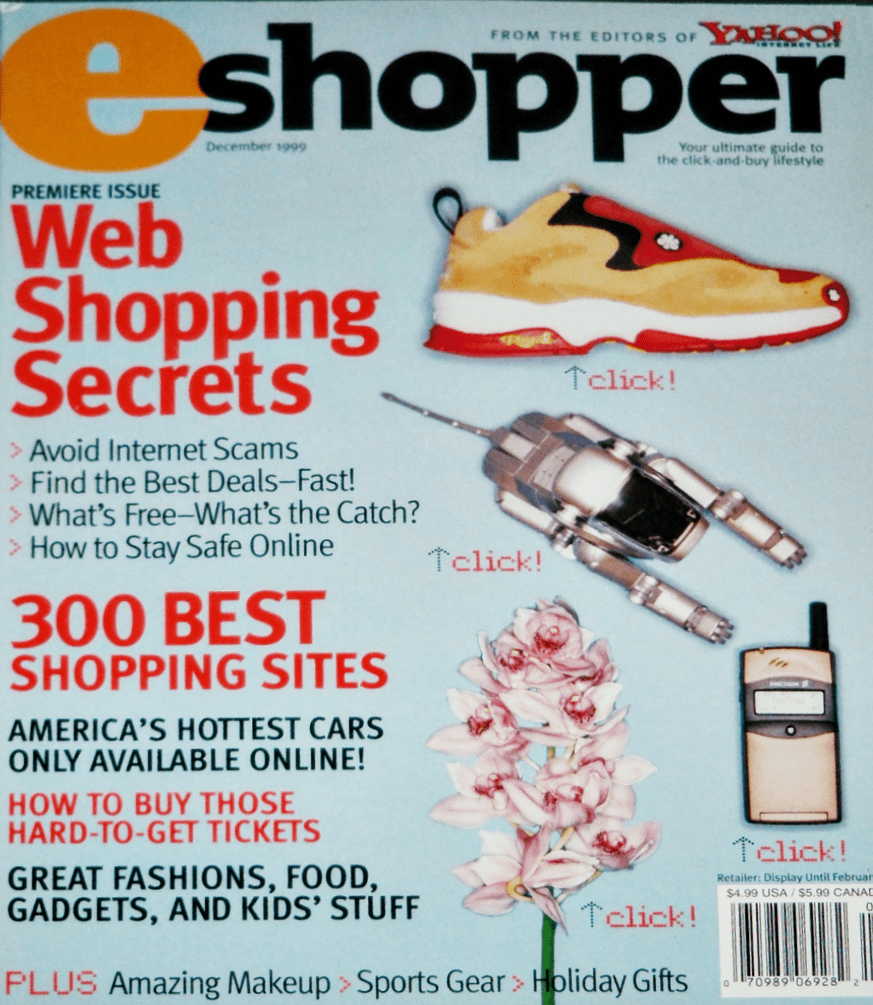
At ZiffDavis, I led the launch of eShopper, a spin-off of Yahoo! Internet Life focused on web shopping, beating Conde Nast’s Lucky shopping mag by a year.

For six+ years, I led Samsung‘s brand publishing, including Digitall, a print/web magazine on digital innovation, MobileMode, a print magazine on the future of mobile telephony, and the 2003 Samsung Electronics Annual Report

At Citi’s mortgage.com, I led editorial development of new interactive tools for mortgage exploration embedded in a trough of SEO-driven content

At AOL Real Estate, in the dark days following the real estate collapse of 2008, I developed content strategy for three websites and managed a team of 35 contributors reporting on residential real estate. Our big hit was “What Works Now,” a video series I sold to Bank of America)
