Art+
Downtown NYC in the 80s was fab.
More than a good scene, although definitely that too.
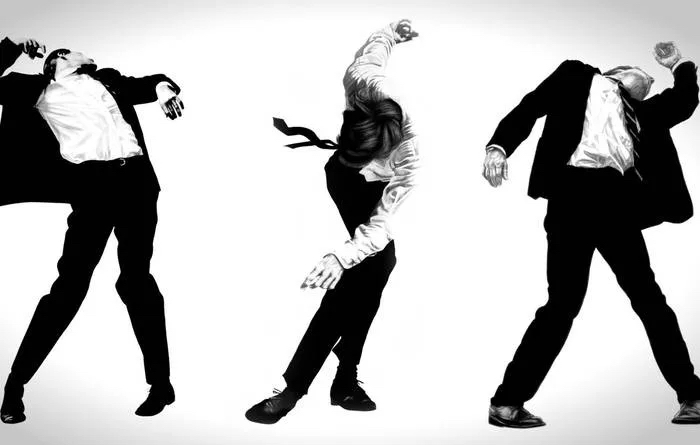
Robert Longo’s “Men in the Cities” series, the archetype of NYC in the 80s
NYC had fallen. Gone bankrupt, got dirty, turned violent, spitting mad in the face of Ronald Reagan and the AIDS crisis. Relegated to a second rate Sodom by the Feds and fleeing elites, NYC below 14th Street became a laboratory for punks, rappers, artists, and dancers who transformed the neglect and decay into the nucleus of a truly post-modern culture.
Art was ubiquitous and often interdisciplinary. Keith Haring turned black subway walls into canvases. Tim Miller took over a deserted school and turned it into a sweaty performance space. Painters (Robert Longo, Basquiat, Schnabel, Salle, Scharf, Kiki Smith, Walter Robinson) transformed the raunchy porn of Times Square into a nest for a new, gritty art. The Ramones, Suicide, Television, and Talking Heads brought punk to a boiling point at CBGBs, The Kitchen remixed it, and the Brooklyn Academy of Music’s Next Wave Festival brought it to mainstream awareness.
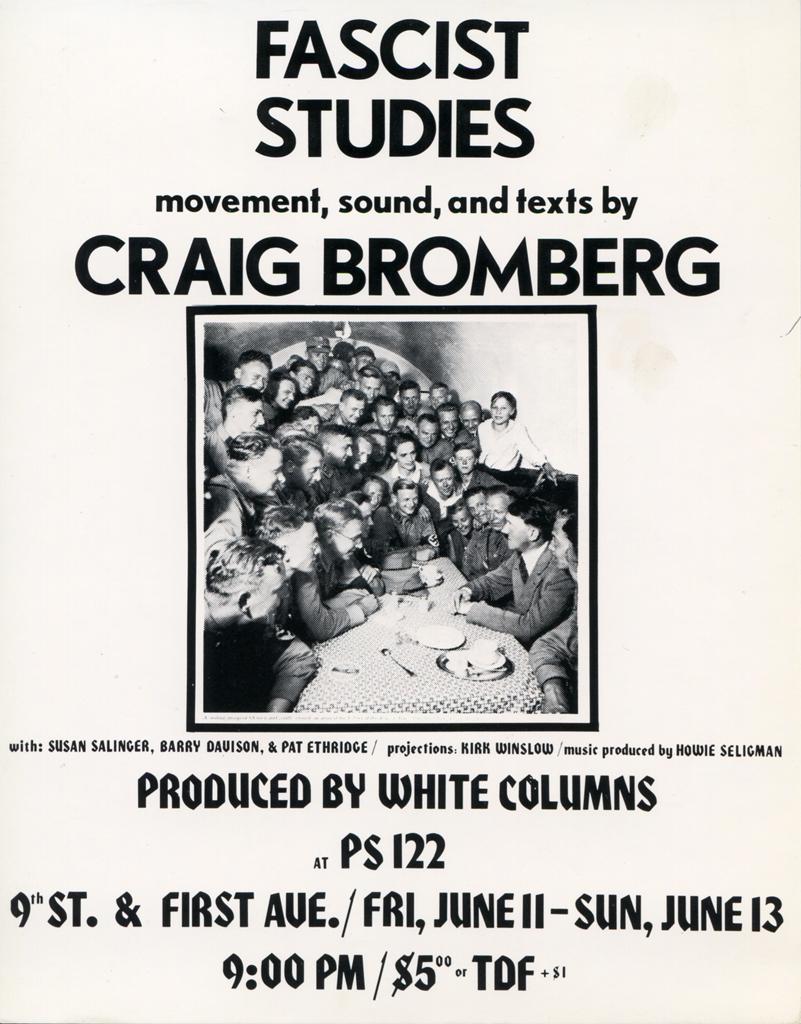
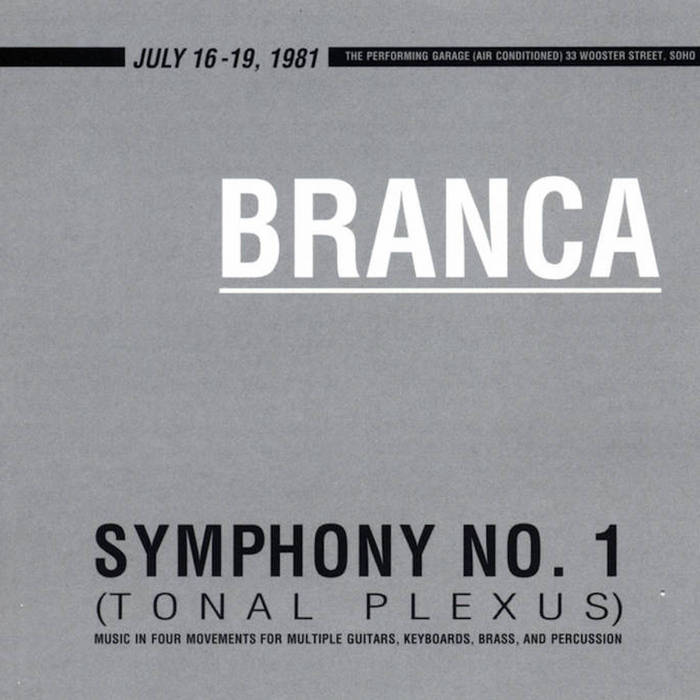
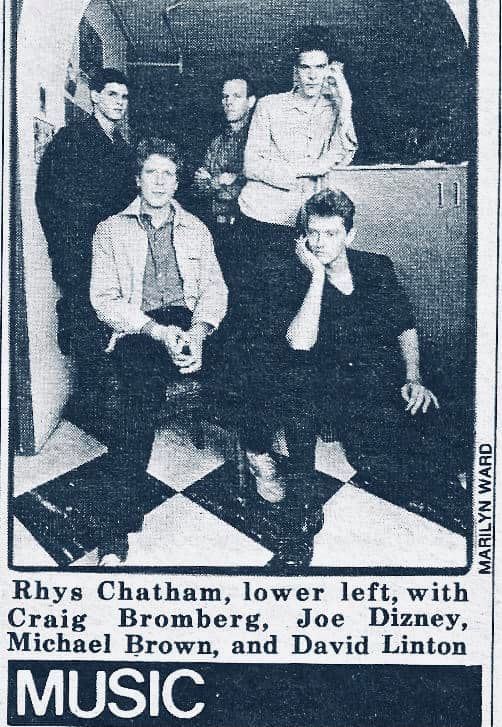
For a decade I lived inside this hive. In 1981. I won a coveted spot at the Whitney Museum’s Independent Study Program. I made performances there and at PS 122, PS 1 (MoMA), Just Above Midtown Downtown, and the Pyramid Lounge; played in Rhys Chatham‘s and Glenn Branca‘s orchestral rock ensembles; and documented it all as the performance art editor of the East Village Eye, New York magazine, and many others.
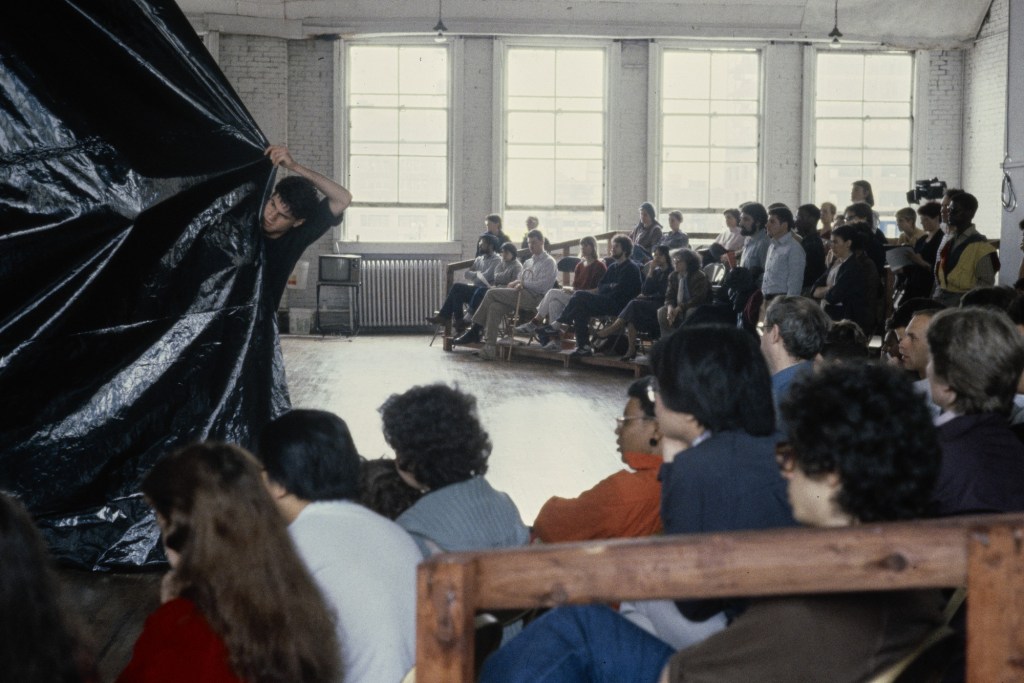
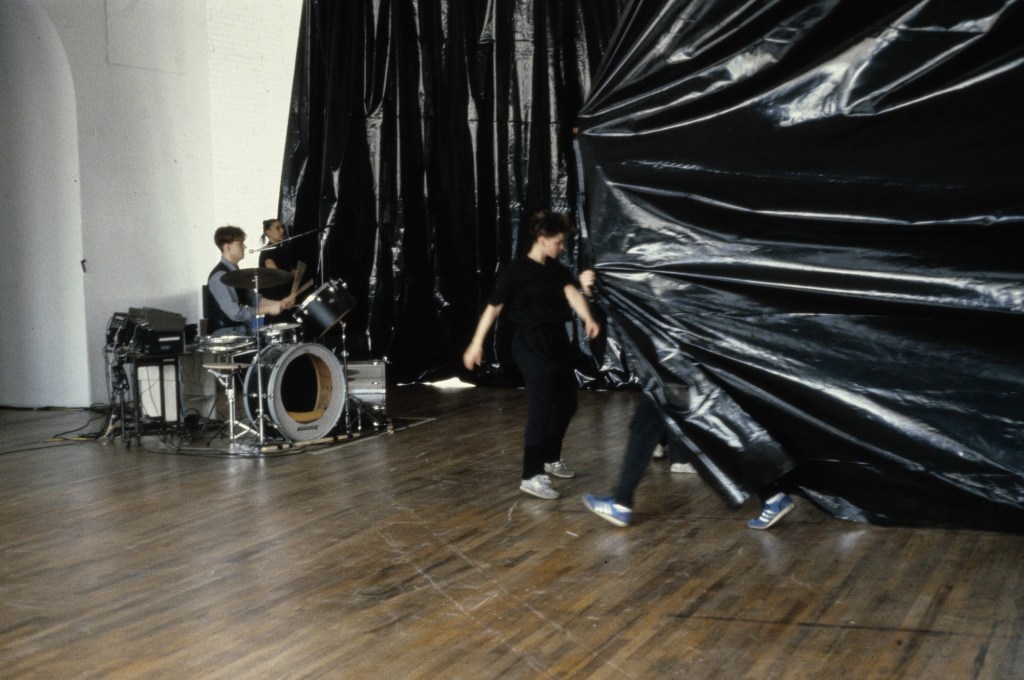

Writing about that moment—inside that moment—taught me about cultural transformation. Underground creative movements aren’t just entertainment but R&D for society. Downtown’s DIY ethics, challenge to authority, and openness to experiment and collaboration would resurface a decade later in digital culture, startups, and decentralized innovation. But change is inevitable. In 1992, when BAM asked me to write a retrospective of the amazing first decade of its Next Wave Festival, I realized I was writing an elegy.
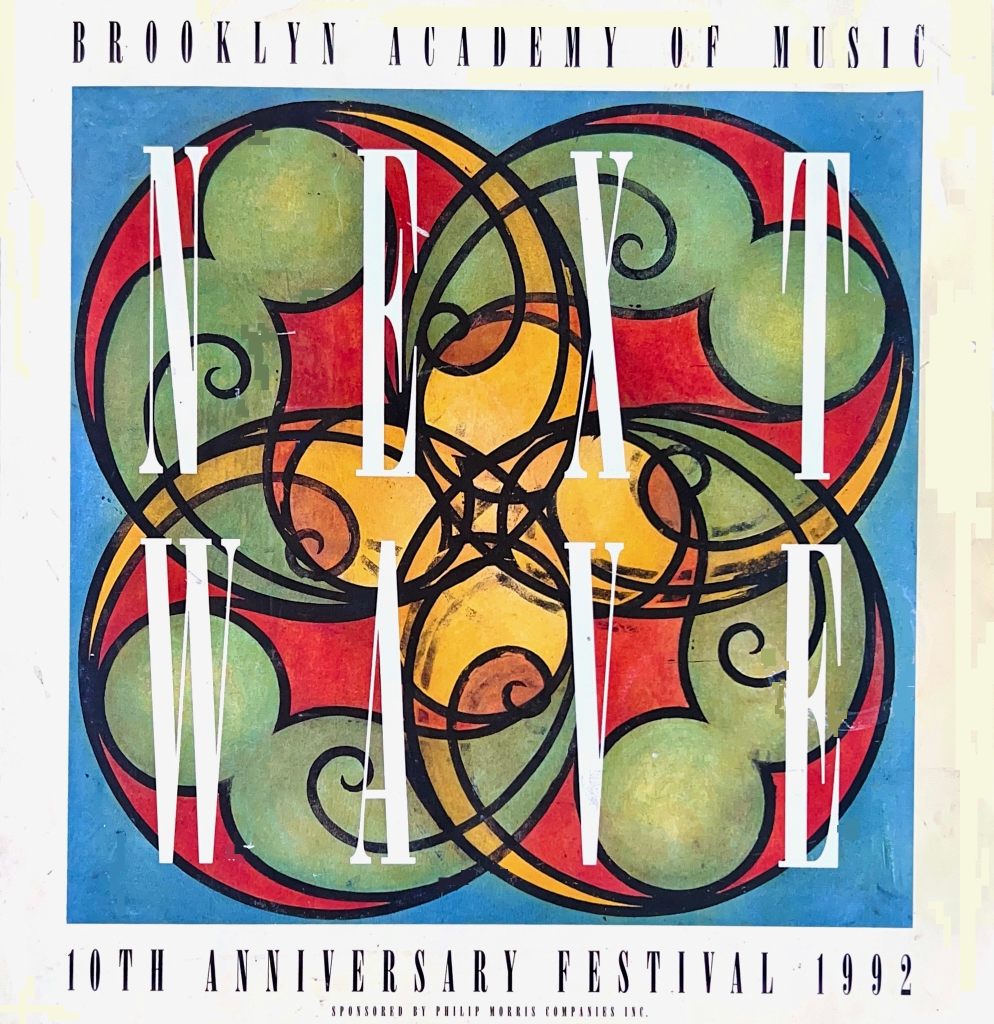
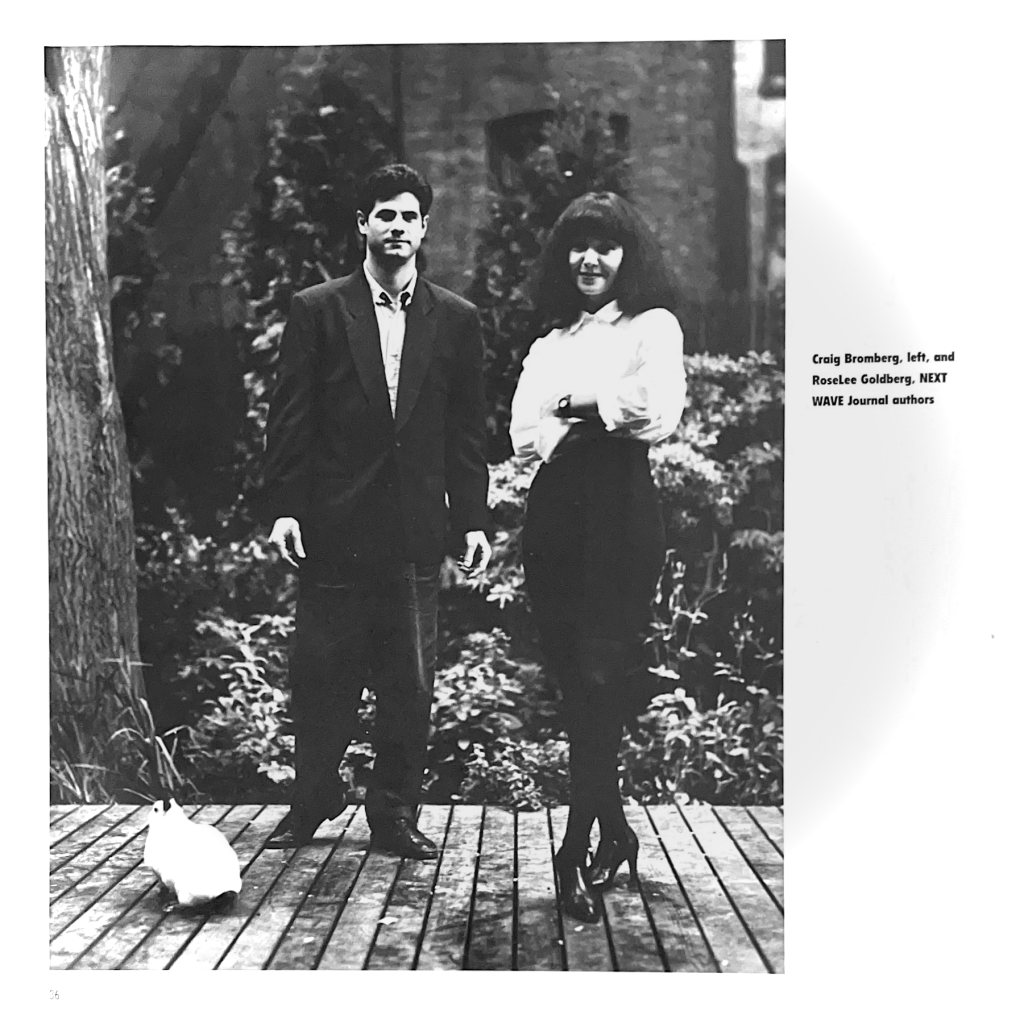
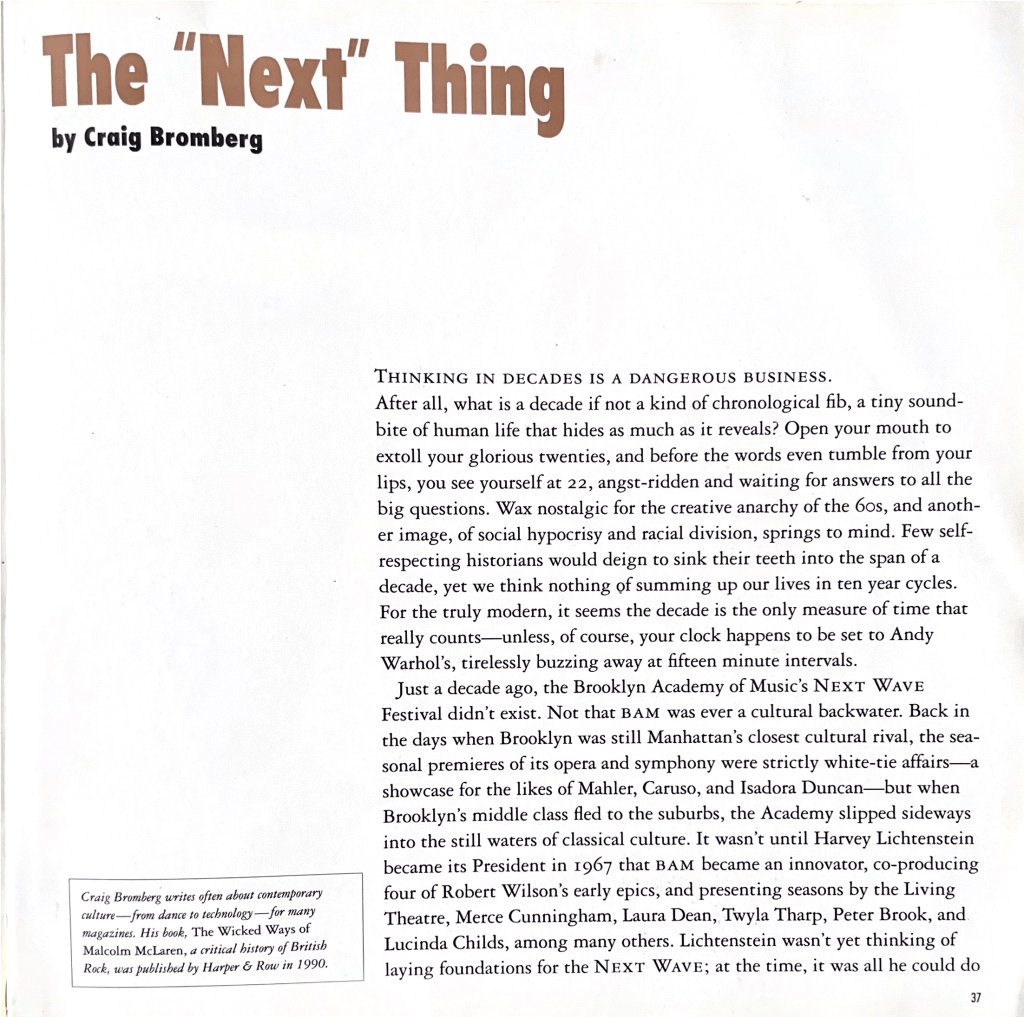
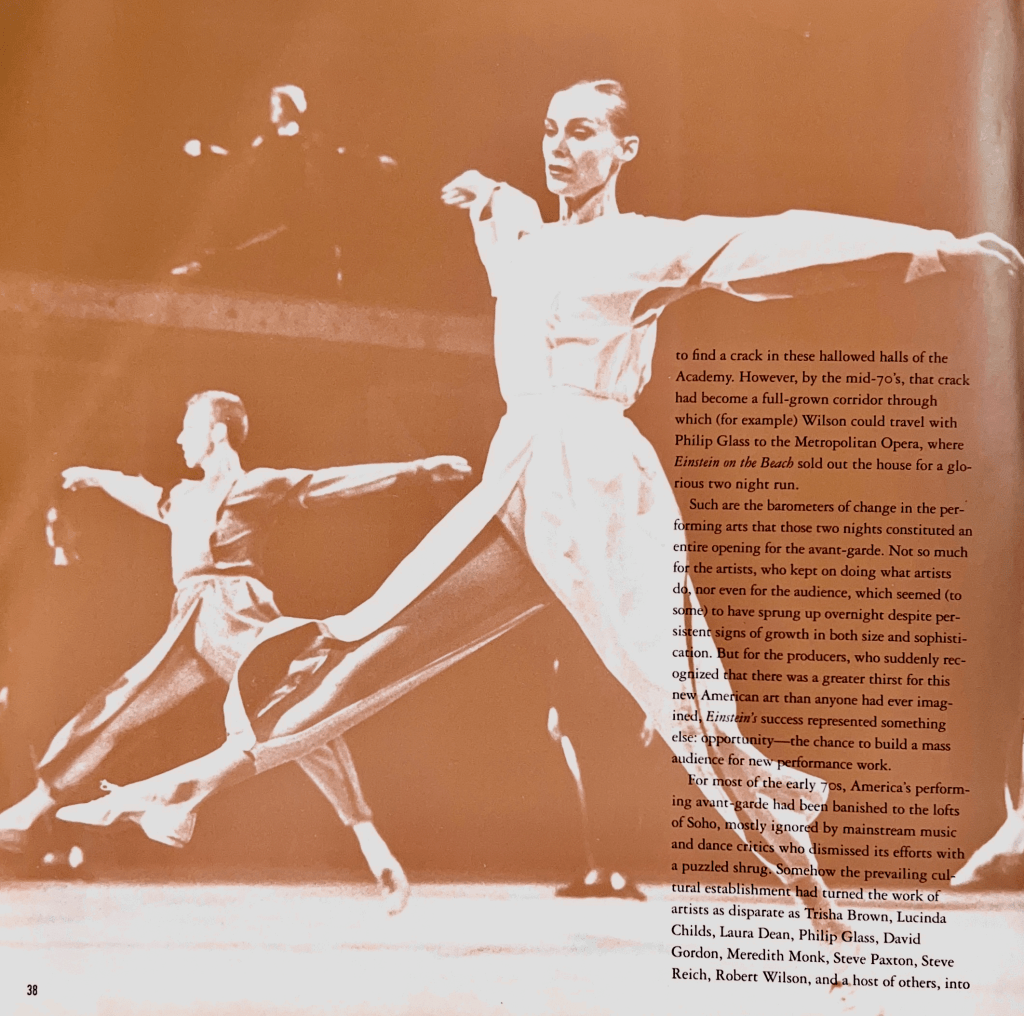

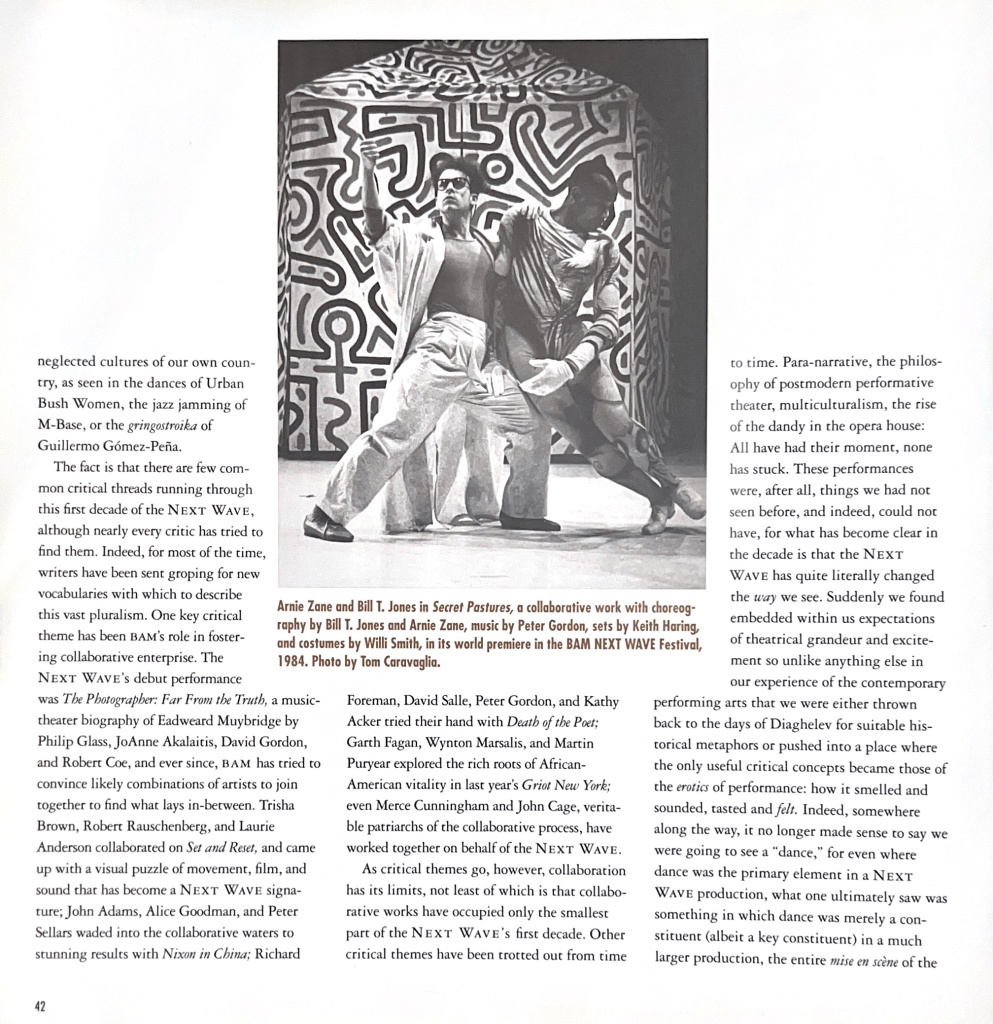
Click here to read “The ‘Next’ Thing”
Creative communities incubate solutions to problems society doesn’t even know it has yet, but then the culture catches up. The 80s were fab not only because of the art, but because artists showed us a path to taking agency. How do you create when traditional systems fail? How do you build community when institutions are absent? How do you sustain authenticity when success and scale commodify creativity? These questions are even more relevant today as we enter into an era of agentic technologies that threaten to take away our agency.
